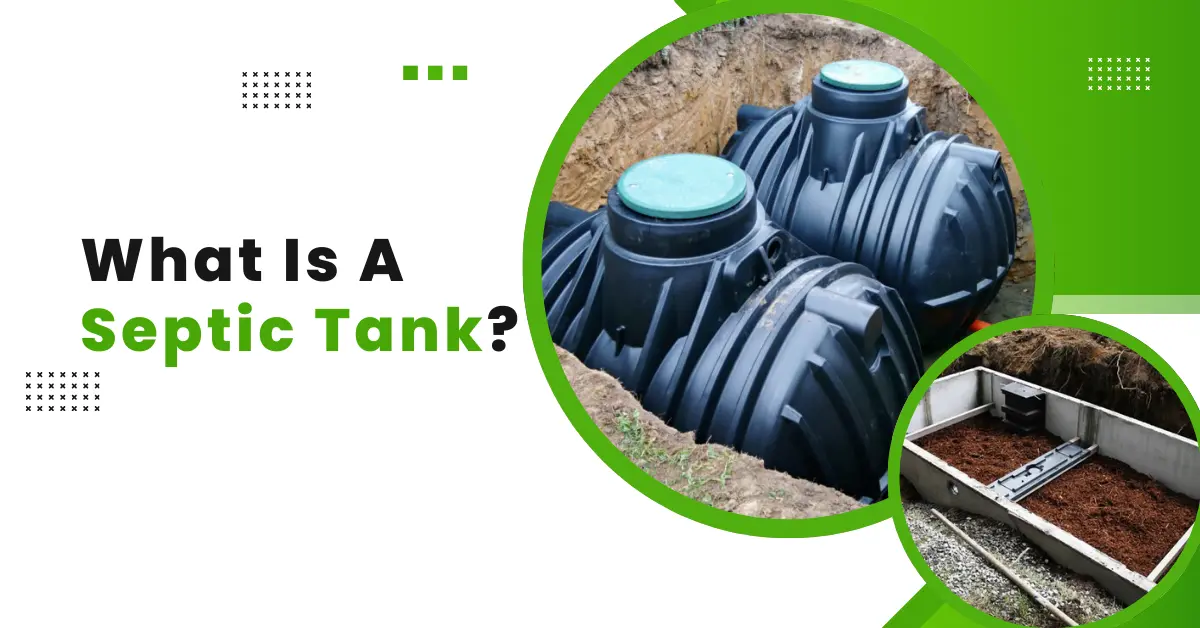
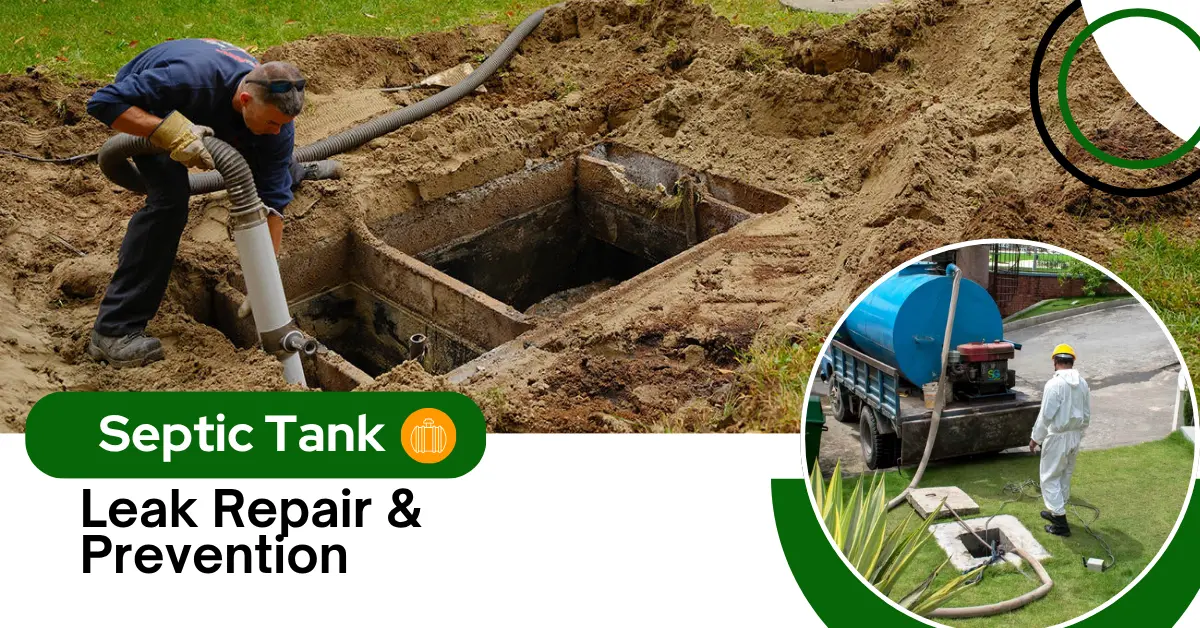
Did you notice a foul smell in your yard or, worse, sewage pooling near your home? If yes, then you could be dealing with a septic tank leak.
Septic tank leak repair is a critical fix that protects your health, property, and wallet. If it’s left untreated, leaks can contaminate your soil, damage your property, and rack up repair bills in the thousands.
Repair a septic tank leak by first locating the leak, then pumping the tank to prevent overflow. Patch small cracks with hydraulic cement and sealant.
Replace damaged pipes or tank sections if the leak is severe. Always follow local health codes and consult a professional for structural or soil contamination issues.
In this comprehensive guide, you’ll learn how to spot early warning signs, what causes leaks, the best repair solutions, exact cost breakdowns, and how to prevent future issues.
Keep reading to make informed, stress-free decisions and ensure your septic system stays leak-free for years.
What Is a Septic Tank Leak?
A septic tank leak occurs when untreated wastewater escapes from the tank or connected pipes into the surrounding soil. It becomes risky for health, the environment, and the structure.
This escape can happen due to,
1. Cracked tanks or lids: Age, shifting soil, or heavy loads can fracture concrete or plastic tanks and lids. Then, it allows sewage to leak out.
2. Damaged pipes or baffles: Inlet/outlet pipes, distribution lines, or internal baffles may corrode, collapse, or be crushed by tree roots or vehicles.
3. Failing drain/leach fields: When soil becomes saturated, clogged, or compacted, water can pool at the surface or back up into the tank
4. System overload or poor maintenance: Neglected pumping, excessive chemical use, or harsh cleaners can disrupt bacterial activity and wastewater flow.
Recognizing the Warning Signs of a Septic Tank Leak

Here are the signs of a septic tank problem you should look out for to maintain safe septic tank health.
1. Foul Odors Around the Septic Tank or Field
A persistent rotten-egg or sewage smell is a classic sign of trouble.
It often means sewage gases like methane or hydrogen sulfide are escaping due to cracks in the tank, broken lids, or faulty seals.
2. Lush Green Patches in Your Yard
If some areas of your lawn look unusually green or grow faster than others, it could mean nutrient-rich effluent is leaking underground and fertilizing the grass.
3. Soggy Soil or Pooling Water
Excess moisture or standing water in the yard, especially near the drain field, suggests wastewater is surfacing instead of being absorbed.
This typically points to a saturated or failing drain field.
4. Standing Water Above the Drain Field
If water is constantly present above your leach field, it could point to a deeper septic tank percolation problem or a failing drain field.
5. Slow Draining Fixtures or Sewage Backups
If sinks, tubs, or toilets are draining slowly or worse, backing up, it may be more than a clog. A full tank or damaged pipes can cause waste to reverse direction.
6. Gurgling Sounds in Plumbing
Strange bubbling or gurgling noises from toilets and drains indicate air being forced through waste due to blockages or an overloaded system.
7. Unexplained Increase in Water Bills
If you notice a sudden spike in water usage without any lifestyle change, it may be due to inefficiencies caused by drainage issues.
8. Sewage Backups Inside the Home
The most severe warning sign. Backed-up sewage in bathtubs, sinks, or toilets can mean the tank is full, pipes are damaged, or the drain field is failing. This poses serious health hazards.
How to Find the Leaking Source?
Here’s a step-by-step breakdown to help you understand how the issue is diagnosed.
Step 1: Start with a Visual Inspection
Check the tank lids for any cracks, loose or misaligned covers, or wet spots around the edges. A damaged lid isn’t just a minor issue; it can allow rainwater to seep in or toxic gases to escape.
Next, look at the exposed pipes. Focus on the inlet and outlet lines. Watch for signs of rust, leaks, or any physical damage. Even small cracks here can lead to major system issues.
Then, observe the tank walls and surrounding soil. If you notice wet patches, algae growth, or signs of erosion around the tank.
Safety Tip: Never attempt to open a septic tank without safety gear and proper ventilation. Harmful gases inside can be extremely dangerous.
Step 2: Use Professional Detection Tools
If the issue isn’t visible from a surface check, professionals turn to advanced diagnostic tools to pinpoint the problem, without tearing up your yard.
Video camera inspections involve sending a small sewer camera through the pipe system. It shows real-time footage of cracks, clogs, or root invasions inside the lines.
Pressure testing isolates sections of pipe and checks if they can hold pressure. Any drop reveals a leak. It helps locate weak spots without excavation.
Dye tracing uses non-toxic colored dye flushed through your drains. If the dye surfaces above ground, it’s a clear sign of a leak.
These methods remove the guesswork, saving time, money, and your landscaping from unnecessary digging.
Step 3: Schedule a Professional Inspection
While a basic check is something you can do yourself, hiring a licensed septic technician is crucial for a proper inspection.
They use specialized tools to pinpoint the exact issue, help you avoid misdiagnosis, and ensure the system complies with local health and environmental codes.
To prepare for the inspection, make sure there’s easy access to your septic tank and drain field.
Take note of any symptoms you’ve observed, like slow drains, soggy ground, or odd smell, and share the system’s history, including its age, last pump-out date, and any past issues.
It’s also a good idea to reduce water use for 24 hours before the inspection to help the technician get an accurate read on system performance.
Common Causes Behind Septic Tank Leaks

Here’s a clear problem-solution breakdown:
1. Structural Damage
Problem: Cracks can form in concrete or plastic tanks due to aging, soil pressure, or ground movement. These cracks allow wastewater to seep out, causing contamination and system failure.
Solution: Minor cracks can sometimes be sealed with specialized epoxy or concrete patching. However, severe damage usually requires tank replacement to ensure long-term safety.
2. Faulty or Damaged Internal Baffles
Problem: Baffles inside the tank direct wastewater flow and prevent solids from clogging pipes. Broken or missing baffles can lead to blockages and leaks.
Solution: Inspect and replace damaged baffles to restore proper flow and protect the drain field.
3. Broken or Corroded Pipes
Problem: Inlet and outlet pipes may break, corrode, or become misaligned due to shifting soil, root intrusion, or old age, disrupting flow and causing leaks.
Solution: Damaged pipes should be repaired or replaced promptly. Using durable materials and root barriers during repairs can prevent future issues.
4. Ground Shifting or Flooding
Problem: Natural soil movement or heavy rains can shift or damage the tank and pipes, leading to leaks or misalignment.
Solution: Re-level the tank, improve drainage around the system, and reinforce vulnerable areas to prevent future shifting.
5. Drain Field Failures
Problem: Soil saturation, clogging from grease or solids, and root intrusion can cause the drain (leach) field to fail. As a result, it backs up and leaks.
Solution: Repair or replace damaged drain lines, improve soil drainage, and remove roots. In severe cases, a new drain field installation may be necessary.
6. Tree Root Intrusion
Problem: Tree roots grow towards moisture and can crack tanks or infiltrate pipes. It causes leaks and blockages.
Solution: Cut and remove roots, install root barriers, and consider rerouting pipes away from large trees.
7. Improper Installation
Problem: Incorrect tank placement or pipe slopes can cause poor flow, backups, and stress fractures.
Solution: Correct installation by licensed professionals ensures proper slopes, secure fittings, and adherence to local codes.
8. Tank Corrosion (Metal Tanks)
Problem: Older metal tanks rust over time, developing holes that cause leaks and contamination.
Solution: Replace corroded metal tanks with modern plastic or fiberglass alternatives for better durability.
9. Age of Tank
Problem: Most septic tanks last 20 – 40 years. Older tanks are prone to cracks, corrosion, and failure.
Solution: Plan for replacement as tanks approach the end of their lifespan, rather than waiting for costly emergency repairs.
10. Poor Maintenance
Problem: Skipping routine pumping and inspections causes sludge buildup, increasing pressure, and damaging the tank and pipes.
Solution: Schedule regular septic pumping (every 3 – 5 years) and professional inspections to catch issues early.
How to Repair a Septic Tank Leak? – Quick Fix
Here’s a detailed look at repair options.
Minor Repairs
1. Crack Sealing with Epoxy or Hydraulic Cement
Why: Ideal for sealing small cracks in concrete septic tanks.
How: Apply a high-strength sealant like DRYLOK Fast Plug Hydraulic Cement. It sets in just 3 – 5 minutes to create a watertight blockage, even under pressure.
2. Pipe Repairs and Partial Replacements
Why: Fix inlet/outlet lines when leaking, corroded, or broken.
How: Replace broken sections of pipe and improve durability with tight-fitting couplers or pipe sealants.
For slow leaks or joint sealing, a moldable epoxy like J-B Weld WaterWeld Epoxy Putty Stick works well. It cures underwater and resists both chemicals and temperature fluctuations.
3. Baffle Repairs or Replacements
Why: Restore proper separation of solids and liquids, preventing damage and clogs.
How: Replace broken baffles with manufacturer-approved parts to protect flow and maintain system function.
4. Lid Repair or Replacement
Why: Damaged lids can let in water and gas, or create a hazard.
How: Repair sealing surfaces or fully replace the lid, ensuring a snug fit.
For added protection, apply a self-fusing silicone tape, such as the popular XFasten Self-Fusing Silicone Tape, around the riser.
This tape adheres to itself and creates an airtight, waterproof seal that resists UV, heat, and moisture
Major Repairs
1. Full Tank Replacement
When: Structural cracks, major corrosion, or when the tank has exceeded its 20 – 40 year lifespan.
How: Completely excavate and replace with a new, durable tank (plastic or fiberglass) that meets capacity and code requirements.
2. Drain Field Reconditioning or Replacement
When: Evidence of saturation, standing water, or root infiltration.
How: Options include pipe jetting, trench fracturing, or rebuilding. In severe cases, install a new drain field in a better-suited location.
3. Soil Replacement and Landscaping
When: Foul odors or soggy spots persist after system repair.
How: Excavate contaminated soil, refill with clean fill, regrade for proper runoff, and plant grass (not deep-rooted species).
Can You DIY Septic Tank Leak Repair?
DIY septic tank leak repair is possible, but only for minor issues like small pipe connections or sealing cracks with epoxy.
If the problem is limited to accessible pipes or fittings, homeowners with basic plumbing skills can often manage the fix safely and cost-effectively.
However, do not attempt DIY repairs if the tank itself is cracked or if there are leaks involving the drain field.
These issues require specialized equipment, knowledge of local codes, and often extensive excavation. For these, professional intervention is essential.
The Environmental Protection Agency (EPA) warns that improper septic system repairs can contaminate groundwater and pose serious health risks.
They emphasize that septic systems must be maintained and repaired according to local codes and regulations to protect public health and the environment.
Why Hiring a Professional Is Usually Better?
Professionals bring experience, proper tools, and knowledge of local laws. They ensure repairs are safe, effective, and compliant.
Hiring an expert protects your property and community, preventing environmental hazards and costly mistakes.
Dangers of Ignoring Septic Tank Leaks
Ignoring a septic tank leak can lead to far more serious and expensive problems than the repair itself.
1. Groundwater Contamination
Leaking septic tanks can allow untreated sewage to seep into underground water sources. This puts wells and local drinking water at risk, spreading harmful pathogens like E. coli and Giardia.
2. Health Hazards
Leaking waste can expose your household and neighbors to harmful bacteria, viruses, and parasites.
Common illnesses include gastrointestinal infections, skin rashes, and respiratory issues due to airborne contaminants.
3. Soil Pollution
Toxic waste from a leak doesn’t just disappear; it accumulates in the surrounding soil.
Over time, this can degrade soil quality, damage vegetation, and create hazardous conditions for outdoor activities or gardening.
4. Property Value Decline
A compromised septic system is a major red flag for buyers. Persistent issues or a history of leaks can significantly reduce your property’s resale value and make it harder to sell.
How to Prevent Future Septic Tank Leaks?
A proactive approach can save you thousands in repair costs and protect your property and health.
1. Pump the Tank Every 3 – 5 Years
Over time, solid waste builds up inside the tank. Regular pumping (every 3 – 5 years, based on household size and usage) prevents overflow and pressure cracks that lead to leaks.
2. Schedule Regular Inspections
Hire a licensed septic professional to inspect your system every 1 – 2 years. They can spot early signs of trouble, like baffle damage or root intrusion, before they become expensive leaks.
3. Watch What You Flush
Never flush grease, wipes, diapers, feminine hygiene products, or harsh chemicals. These can clog pipes, kill beneficial bacteria, and accelerate tank wear.
4. Use Root Barriers
Tree roots are a leading cause of pipe and tank damage. Install root barriers or plant trees well away from your septic system to avoid intrusion.
5. Keep Heavy Loads Off
Avoid parking cars, trucks, or placing heavy structures over the tank or drain field. The weight can crack the tank or crush buried pipes.
Septic Tank Replacement: When Repair Isn’t Enough
If your septic tank is cracked beyond sealing, corroded, over 30 years old, or fails multiple repairs, it’s likely time for a full replacement.
When to Replace?
- Structural failure (crumbling concrete or rusted metal)
- The tank size is too small for the current household needs
- Drain field no longer absorbing waste
- Recurring leaks or sewage backups despite repairs
Cost of Replacement
Comprehensive septic system replacement, including new tank and drain field, ranges from $5,000 to $12,000, with some extreme scenarios reaching as high as $20,000 or more.
Getting Quotes
Always get at least 3 estimates from licensed septic contractors.
Ask for a breakdown of labor, materials, permits, and inspection fees. Look for professionals with strong reviews and experience in local soil and code compliance.
Cost Breakdown: Septic Tank Leak Repair

Cost Breakdown Details
Here is the detail of the septic tank leak repair cost.
1. Minor Pipe Fix
Cost: $600 – $3,800 depending on pipe length, depth, material, and access
Time: Usually resolved in a single day, though extensive trenching may require more.
2. Crack Sealing
Cost: $500 – $1,000 for resin or epoxy application after tank pumping.
Time: Curing can take 1 – 3 days to ensure watertight performance.
3. Drain‑Field Repairs
Cost: $1,000 – $5,000 for rejuvenation (aeration) or jetting; full replacement may cost $3,000 – $15,000+.
Time: Reconditioning takes 2 – 3 days; total field replacement may last up to 2 weeks.
4. Full System Replacement
Cost: $3,500 – $8,500 for just the tank; complete replacement, including drain field, ranges from $5,000 – $12,000+ (up to $20,000 in extreme cases or complex soils.
Time: Expect 1 – 3 weeks for excavation, installation, inspections, and backfilling.
How to Choose the Right Professional for Your Septic Leak Repair?
Hiring the right septic contractor can be the difference between a quick, lasting fix and an expensive nightmare. Here’s how to ensure you choose wisely.
1. Qualities of a Reliable Septic Contractor
Make sure to check this checklist fully before hiring one-
- Licensed and insured in your state
- Proven experience with septic systems, not just general plumbing
- Clear, written estimates and contracts
- Positive local reviews or references
- Offers warranty on labor and parts
2. Questions to Ask Before Hiring
Here are a few questions to ask before you hire your contractor-
- Are you fully licensed and insured for septic system work?
- Can you provide references or local project photos?
- Will you handle permits and inspections?
- How many similar repairs have you completed?
- Do you offer warranties on your repairs or parts?
What to Expect During Repair or Replacement
Also, make sure to check these points when your contractor performs their work-
- Site inspection and issue diagnosis
- Repair or replacement work (1 – 14 days)
- Clear explanation of work and costs
- Excavation and system access
- Permitting (if required)
- Final inspection and clean-up
FAQs
What happens if your septic tank leaks?
A leaking septic tank can lead to groundwater contamination, foul odors, soggy yards, and even sewage backups into your home. The longer it’s left untreated, the more expensive and hazardous the repair becomes.
Is a leaking septic tank an emergency?
Yes, septic tank leaks are considered environmental and health emergencies, especially if sewage is surfacing or leaking into water supplies. Immediate attention is necessary to prevent the spread of bacteria, viruses, and pathogens.
How long does septic tank repair take?
Most minor repairs, like sealing cracks or replacing short pipe sections, can be completed in a few hours to one day. More extensive work, such as drain field repair or full tank replacement, can take several days to a few weeks.
How do I know if my septic tank needs to be replaced?
If your tank is over 25 – 30 years old, shows signs of frequent leaking, or fails inspections repeatedly, it likely needs replacing. Other red flags include persistent sewage odors, standing water, and lush grass growth over the tank or drain field.
Are septic tank leaks covered by homeowners’ insurance?
Generally, no. Most standard homeowners’ insurance policies do not cover septic system issues unless they result from a sudden, accidental event (a tree falling on the system). Wear and tear, poor maintenance, or age-related failure are typically excluded.
Bottom Line
A septic tank leak can lead to serious issues like groundwater contamination, health risks, and costly repairs. Early detection, such as noticing foul smells, soggy soil, or slow drains, is key.
Diagnosing the problem through inspection or professional tools ensures the right fix, from sealing cracks to full tank or drainfield replacement.
Prevention is your best defense: pump regularly, avoid flushing grease or chemicals, and keep roots and heavy vehicles away from the system.
If your tank is old or leaking often, replacement may be the smarter long-term move. Quick action saves money, protects your property, and keeps your system running safely.
Flush smart, live clean!