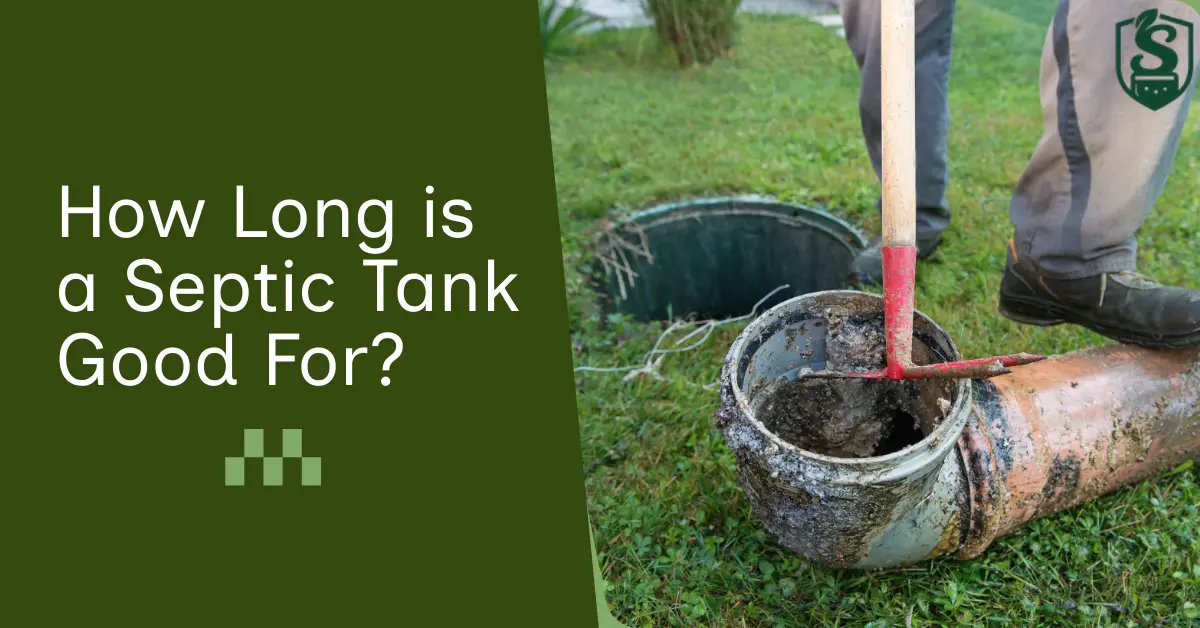
Replacing a septic tank can cost thousands; knowing how long yours will last could save you big. Whether you’re buying a home, maintaining one, or just trying to avoid a messy surprise, understanding your septic system’s lifespan is crucial. Most tanks don’t fail overnight.
They show signs, wear out slowly, and if you’re paying attention, give you time to act before disaster strikes.
This guide explains exactly how long septic tanks typically last, how concrete compares to steel, and the everyday habits that can add (or subtract) years from your system’s life. Whether your tank’s brand new or decades old, the steps you take now can make the difference between smooth flushing and a costly backyard excavation.
How Long is a Septic Tank Good For on Average?
The lifespan of a septic tank usually falls between 15 and 40 years, depending on several factors like the tank material, maintenance routine, and environmental conditions.
On average, most tanks tend to last 20 to 30 years with regular upkeep. That said, concrete tanks are known to stretch well beyond 30 years, sometimes even past 40 if they’re taken care of properly.
This wide range comes down to how the tank was installed, the soil it sits in, and how the system is treated over time. A neglected tank might not even hit the 20-year mark, while a well-maintained one could surprise you with its longevity.
Concrete vs Steel: Does Tank Material Affect Lifespan?
The type of material your septic tank is made from has a major impact on how long it will last. Some materials naturally stand up to time and stress better than others.
Concrete Septic Tanks
Concrete is the most popular choice for good reason. These tanks are built to last 30 to 40 years, sometimes even longer, under ideal conditions. They’re highly durable, resistant to corrosion, and can stand up to the pressure of being buried underground for decades.
They’re a solid long-term investment, literally. As long as there are no cracks or root intrusions, concrete tanks are often the most cost-effective over time due to their durability.
Steel Septic Tanks
Steel tanks? Not so much.
They tend to last only about 15 to 20 years, and the biggest issue is rust. Even when coated or treated, steel will eventually corrode, especially in wet or acidic soil. Many steel tanks end up failing at the top (called the baffle), which can collapse and cause a serious hazard.
If you have an older home and aren’t sure what kind of tank you’ve got, it might be worth checking. If it’s steel, you’ll want to be extra vigilant about inspections and planning ahead for replacement.
Key Factors That Impact How Long a Septic Tank Lasts
Tank material plays a big role, but it’s not the only one. Your actions (or inaction) can either stretch your tank’s life or cut it short.
Proper Maintenance
Think of maintenance like dental checkups. A little attention now avoids a root canal or in this case, a full septic failure.
Regular inspections help you spot small cracks, blockages, or wear before they become bigger (and pricier) problems. A well-maintained system could add an extra decade to your tank’s life.
Pumping Frequency
Pumping isn’t optional. It’s what keeps your tank from overflowing and causing damage to the drainfield.
Most households need their tanks pumped every 3 to 5 years, but it depends on usage. Skip too many pumpings, and you’re basically asking your system to fail early.
Soil and Installation Conditions
Even the best tank won’t last long if it’s installed in poor soil or placed on an unstable foundation. Soils with poor drainage or heavy clay content can cause water buildup, which stresses the tank and the field.
A professionally installed system in well-draining soil can last significantly longer with fewer problems.
Household Water Usage
More water = more strain. Septic systems are designed with an average water flow in mind. Overusing water (like doing 5 loads of laundry back-to-back) can flood the tank, stir up solids, and force them into the drainfield where they don’t belong.
If you’re careful and conserve where you can, you’ll reduce the load and help the system last longer.
How Often Should a Septic Tank Be Pumped?
Septic tanks should be pumped every 3 to 5 years, depending on household size and water usage. A single person might stretch it to 5 years, while a large family might need it done more often.
Delaying this simple task is one of the top reasons systems fail early. Pumping doesn’t just remove waste, it helps balance the bacteria and keeps the tank functioning properly. Skipping it? That’s like ignoring the oil change light in your car for years.
Can a Septic Tank Really Last 100 Years?
Technically? Yes. But realistically? Almost never.
A septic tank could theoretically last 100 years under ideal soil, flawless installation, and perfect maintenance. But in reality, most systems face weather swings, shifting soil, tree roots, and forgetful homeowners.
A more realistic ceiling is 40 to 50 years, especially for concrete tanks. Steel won’t even come close. So while 100 years makes a nice story, it’s not something most homeowners should bank on.
How Long Can a Septic Tank Last Without Being Pumped?
If you never pump your tank, you’re playing with fire or in this case, sludge.
A tank will typically fill up in 3 to 7 years without pumping. After that, the solids start to creep into the drainfield. From there, it’s only a matter of time before you’re looking at field failure, backups, and expensive replacements.
Worst-case scenario? You’ll need a whole new system. Regular pumping is cheaper, easier, and way less stressful.
How Long Do Septic Fields Last Compared to Tanks?
Here’s something many homeowners don’t realize: drainfields fail more often than the tanks themselves.
While tanks can last 30 to 40 years, drainfields usually last 20 to 30 years, depending on how they’re treated. In fact, a failing field often puts pressure back on the tank, causing it to degrade faster too.
Think of your septic system as a team effort. If one part breaks down, the rest follows. That’s why maintaining both the tank and the field is so important.
Tips to Extend the Life of Your Septic Tank
Want to get the most out of your system? A few simple habits can go a long way.
Schedule Regular Inspections
Have a professional check your system every 1 to 3 years. Early detection of cracks, leaks, or sludge buildup can save you thousands later.
Be Careful What You Flush
Your toilet isn’t a trash can. Avoid flushing wipes, grease, feminine products, and chemicals. These things can throw off your tank’s natural bacteria and clog the system.
Use Water Efficiently
Spread out laundry loads, fix leaky faucets, and consider low-flow fixtures. Less water means less strain on your system and a longer life for your tank.
Protect the Drainfield
Never park or drive over your drainfield. Don’t plant trees nearby either roots love invading drain lines and can ruin your system fast.
Leave Repairs to Professionals
It might be tempting to DIY a septic issue, but these systems are more complex than they seem. One wrong move can cause major damage or void your warranty. Always call in the pros.
Conclusion
So, how long is a septic tank good for? The short answer: 30 to 40 years if you treat it right. Material plays a big role; concrete tanks last longer than steel, but so do your habits.
Regular maintenance, mindful water use, and protecting your drainfield can extend the life of your system and save you serious money down the road.
If your system’s aging or you’re unsure of its history, schedule an inspection today. A little prevention now beats a full replacement later.
FAQs
What is the typical lifespan of a concrete septic tank?
Concrete septic tanks can last 30 to 40 years, and sometimes even longer if properly maintained and installed in good soil conditions.
How often should I pump my septic tank?
Septic tanks should be pumped every 3 to 5 years, depending on the size of your household and overall water usage.
Can a steel septic tank last as long as a concrete one?
No. Steel tanks usually last only 15 to 20 years due to rust and corrosion, while concrete tanks can last much longer.
Does not pumping the septic tank reduce its lifespan?
Yes. Skipping regular pumping leads to overflow and damage, reducing both the tank and drainfield’s lifespan significantly.
What causes a septic system to fail early?
Early failure often results from poor maintenance, overuse of water, bad installation, or flushing harmful materials like grease or wipes.