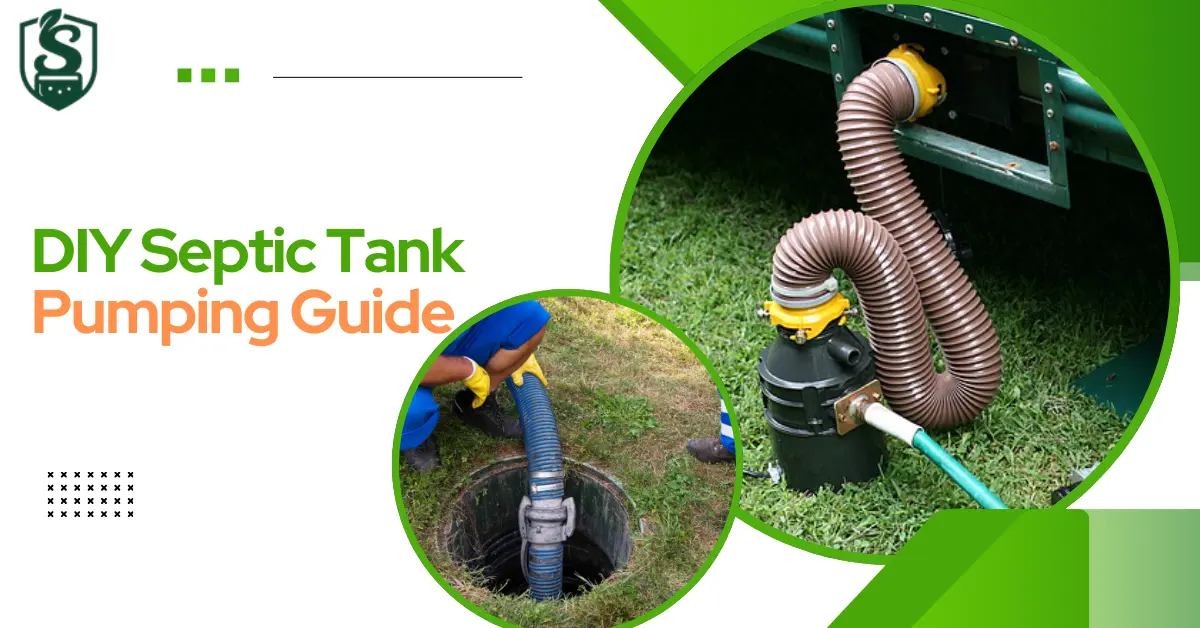
Pumping a septic tank yourself might sound like a bad idea at first, but with the right setup, some patience, and safety precautions, it can actually be done.
In fact, more homeowners in rural areas or off-grid living situations are turning to DIY septic tank pumping methods to save money and deal with emergencies when professional help isn’t available.
But before you jump in, it’s important to understand the risks, tools, steps, and real experiences from people who’ve actually done it. This guide covers everything, from whether you should do it to how to actually pull it off if you decide to go ahead.
Can You Really Pump a Septic Tank Yourself?
Let’s start with the big question most people ask before even touching the tank. Yes, technically, you can pump a septic tank yourself. But just because you can doesn’t mean you always should.
Here’s what real people and experts say about going the DIY route:
What Reddit and Quora Say About DIY Septic Tank Pumping
Many Reddit users living off-grid say they’ve used everything from 55-gallon drums to sump pumps to wet vacs. On Quora, some users mention using trash pumps or even manually siphoning waste into drums for safe disposal.
Others warn against it, pointing out that while it can save money, it’s risky and might even be illegal in some areas. Some homeowners buried extra tanks as makeshift pumping storage, especially in remote regions.
Legal and Health Risks You Should Know
Before grabbing a pump, check your local septic regulations. In many places, it’s illegal to pump your own tank unless you’re licensed. Even where it’s legal, health risks are high. Septic waste is toxic and can cause serious illness with even brief exposure.
Also, mishandling waste can damage the system and reduce property value. If you’re not sure about local laws, call your municipal office or health department first.
When Should You Pump Your Septic Tank?
Timing is everything when it comes to septic tank care. Doing it too late can cause backups and damage. Doing it too early might waste effort and money.
Signs Your Septic Tank Is Full
The most common signs include slow drains, gurgling toilets, bad smells, and soggy patches in the yard. If you notice water backing up in your sinks or bathtubs, it’s a major red flag.
Other clues include visible sludge in your septic inspection port or a sudden increase in grass growth over the tank.
How Often Do You Really Need to Pump?
Most experts recommend pumping every 3 to 5 years for average households. But that depends on your tank size, household size, and water usage. If you’re in a rural setup or have a smaller tank, you might need to do it more often.
Tools You’ll Need for DIY Septic Pumping
This isn’t something you can do with just a shovel and a bucket. You need the right tools to stay safe and get the job done right.
Common DIY Tools Used by Homeowners
Here’s what Reddit and DIYers often use:
- Trash pump or sump pump (for water-heavy sludge)
- Grinder pump (for thicker solids)
- Wet/dry vacuum (for small jobs)
- PVC pipes or discharge hose
- Protective gear (gloves, mask, rubber boots)
If you’re working with a large tank, a mud pump or a Crustbuster (a sludge stirrer) might be needed to break up compacted solids.
Safety Gear You Should Never Skip
DIY septic pumping exposes you to harmful gases like methane and bacteria that can cause serious infections. Always wear:
- N95 mask or respirator
- Heavy-duty gloves
- Waterproof boots
- Eye protection
Step-by-Step Guide to Pumping Your Septic Tank
Now that you’re equipped with the tools and safety basics, here’s how the process usually works.
Step 1: Locate and Open the Septic Tank Lid
Find your septic tank using the site map or probe the ground until you find the lid. Dig it out carefully and lift the lid using a pry bar. Be ready for the smell and wear your mask before opening.
Step 2: Break Up the Sludge
Use a long stick or pole to stir the tank contents. Some people use a Crustbuster or a homemade stirrer to break up solid waste and make pumping easier. This prevents clogging in your pump.
Step 3: Set Up Your Pump and Hose
Position your pump near the tank and drop the intake hose into the center of the tank. The outflow hose should lead to a sealed container or a legal dump site, never onto the ground or storm drains.
Turn on the pump and monitor flow closely. Adjust the hose as needed to reach different tank areas.
Step 4: Rinse the Tank and Clean the Effluent Filter
Once the tank is mostly empty, flush it with a garden hose to rinse out leftover sludge. Remove and clean the effluent filter with water pressure. This helps maintain your drain field health.
Step 5: Dispose of Waste Properly
This is the most sensitive part. If your area doesn’t allow personal dumping, you’ll need to transport the waste to an approved facility. Never dump raw sewage in backyards, ditches, or woods. It’s dangerous and illegal.
Is DIY Septic Pumping Worth It?
The answer depends on your situation. Let’s weigh the pros and cons based on real user experiences.
Pros of Doing It Yourself
- Huge cost savings. Some users save $200 to $400 per pumping.
- Ideal for emergencies where professionals aren’t available.
- Gives you better understanding of your septic system.
Cons and Risks to Be Aware Of
- Serious health risks if done wrong.
- Could damage your tank or clog the drain field.
- Illegal in many municipalities without a license.
- You’re on your own if anything goes wrong.
Final Thoughts
DIY septic tank pumping is definitely possible, but it’s not for everyone. You need the right tools, knowledge, and legal clearance. If you’re living off-grid or in an emergency, it could save you money and time. But for most homeowners, calling a professional is still the safer and smarter move.
If you do decide to go the DIY route, be prepared, stay safe, and follow every regulation closely. A little effort now can save a lot of trouble down the road.
FAQs
Can I use a shop vac to pump out my septic tank?
A shop vac isn’t powerful enough for large jobs. It may help with small backups, but not full tank pumping.
Is it legal to pump your own septic tank?
In most areas, no. You need a license or must follow strict regulations. Always check with your local health department.
How much does professional pumping cost?
It typically ranges from $300 to $600 depending on tank size and location.
What’s the best DIY septic tank pump?
Trash pumps or grinder pumps are the most effective for thick waste. Look for ones with high flow rates and clog resistance.
What happens if I wait too long to pump my tank?
You risk sewage backup, bad smells, and drain field failure — all of which can cost thousands to fix.