Owning a home with a septic system isn’t just about flushing and forgetting. It comes with serious responsibilities that, if ignored, can lead to damaged property, polluted water, and legal fines. Whether you’re a first-time homeowner or you’ve lived off the grid for years, staying up to date with septic tank rules is crucial in 2025.
While local codes may vary, the core principles like protecting your water supply, following legal procedures, and maintaining your system apply almost everywhere.
Let’s break down the most important rules every homeowner should follow this year to avoid big problems later.
Why Septic Tank Rules Matter
The rules surrounding septic systems aren’t just bureaucracy; they’re designed to protect your health, your home, and the environment.
Septic tanks handle raw human waste, so if they fail or overflow, they can pollute nearby groundwater, streams, or even your own backyard. Worse, ignoring the rules can cost you thousands in repairs or government fines.
The moment your tank backs up or leaks into a well or stream, you’re dealing with a public health issue and often, a legal one. That’s why strict regulations are in place and regularly updated.
Protection of Water Sources and Environment
Septic tanks are required to be installed a safe distance away from water sources like wells, lakes, or rivers. This prevents contamination of drinking water, which can carry bacteria, nitrates, and harmful pathogens from wastewater.
If you’re decommissioning a septic tank, you also can’t just walk away. There are abandonment procedures in place to ensure the system is drained, cleaned, and either removed or properly filled with inert material. Skipping this step leaves behind a hazard that can collapse or leak over time.
Compliance with Local Regulations
Installing or modifying a septic system isn’t a DIY project you can tackle on a weekend. Local health departments usually require permits before any digging begins.
Your system must also meet strict building and sanitation codes laid out by your state’s water board or public health division.
In many cases, you’ll need a site assessment, including a soil percolation test, to determine where and how your system can be safely installed. Failing to meet these conditions could result in legal action or being forced to start all over again.
Core Septic Tank Maintenance Rules
A septic system isn’t “set it and forget it.” It needs ongoing care, and that starts with regular inspections and pumping. The frequency depends on the size of your household, the capacity of your tank, and how much water you use daily.
When these systems are neglected, solids build up and can clog the drain field or cause backups into your home. The fix isn’t cheap; sometimes it means replacing the entire system.
Inspection and Pumping Schedule
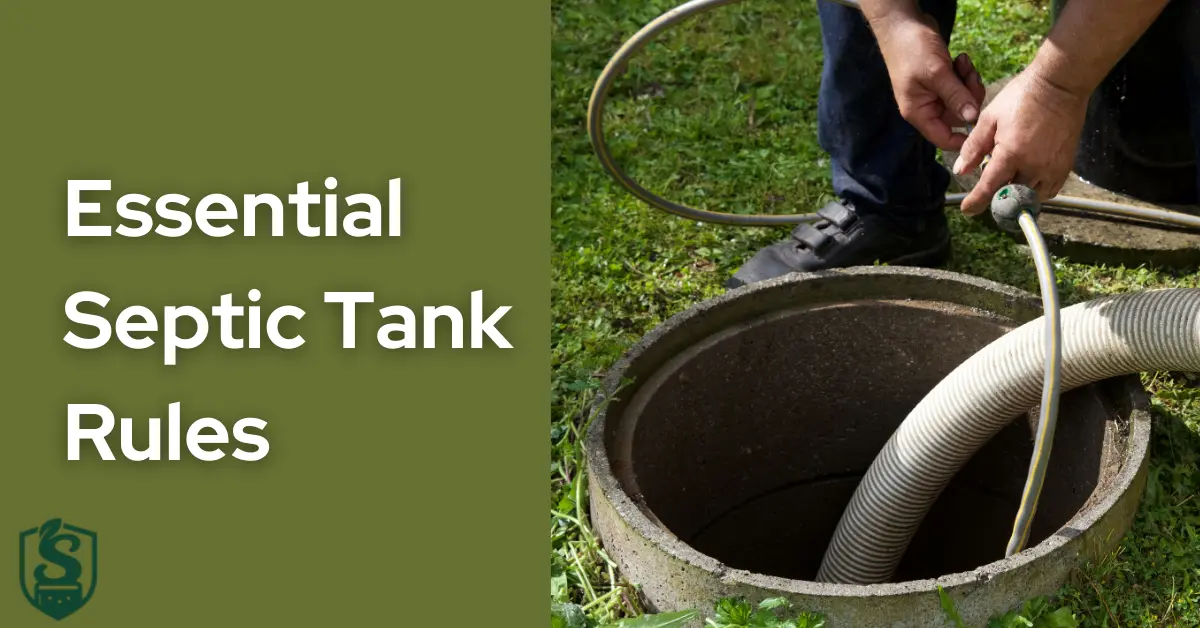
Experts recommend inspecting your septic system every 1 to 3 years, even if you’re not experiencing issues. Pumping should be done every 3 to 5 years, though homes with high water usage or small tanks may need it more frequently.
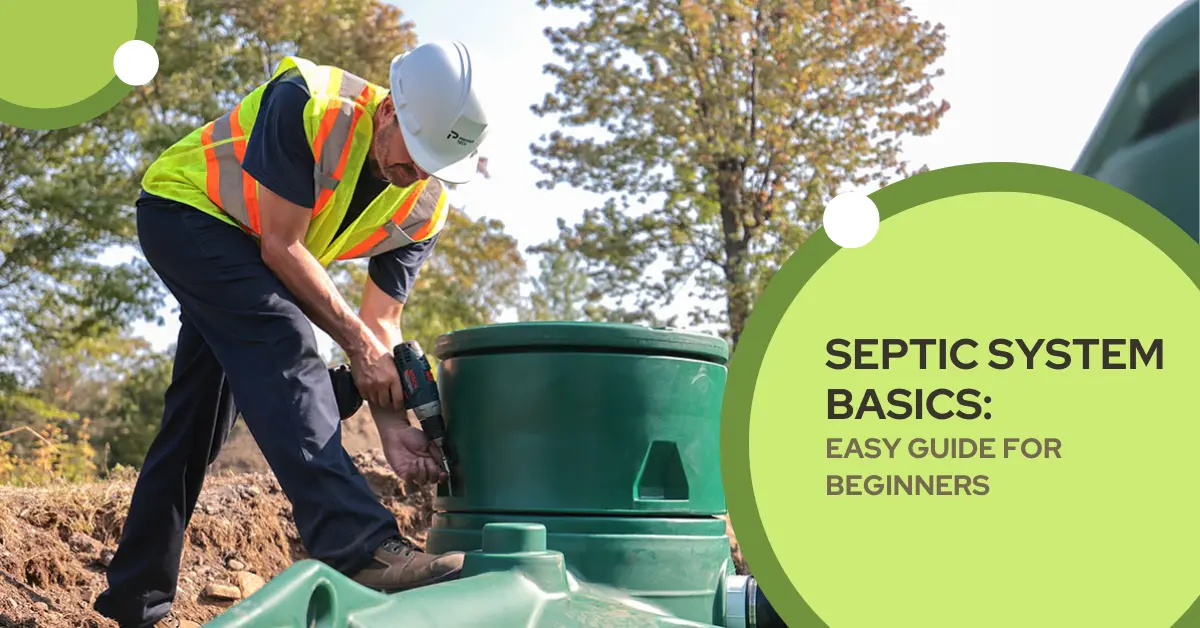
Don’t try to inspect or pump it yourself; hire licensed professionals. DIY attempts can damage the system or expose you to dangerous pathogens.
Don’t Overload Your System
Overloading your system with too much water in a short period is one of the easiest ways to cause a backup. Space out laundry loads throughout the week instead of doing five in a day.
Fix leaky faucets and toilets, since they can quietly send hundreds of gallons into your tank over time. Water conservation isn’t just about the environment; it’s also about keeping your septic system functioning properly.
What You Can and Can’t Flush
This is where many homeowners go wrong. Septic tank’s natural bacteria break down waste. When you flush things that don’t belong or use chemicals that kill bacteria, you risk clogging your system or disrupting the decomposition process entirely.
Only Flush Human Waste and Toilet Paper
Even if a product says it’s “flushable,” that doesn’t mean it’s safe for septic systems. Wipes, diapers, feminine hygiene products, paper towels, and dental floss should never be flushed.
These items don’t break down easily and often cause blockages. Medications also fall into this category; they can kill beneficial bacteria and may eventually leak into local water supplies.
Avoid Grease, Solids, and Harsh Chemicals
Pouring grease, fats, or food scraps down your drain is a recipe for disaster. These substances harden and block pipes, or they float in the tank and overflow into the drain field.
Harsh drain cleaners, antibacterial soaps, and bleach can wipe out the bacteria that keep your system healthy. Instead, opt for natural alternatives like a boiling water flush or a manual drain snake for clogs.
Installation and Location Rules You Must Follow
You can’t just install a septic tank wherever you want. There are strict rules governing location, materials, and accessibility. These standards are in place to keep your home, your neighbors, and your environment safe.
Property and Setback Regulations
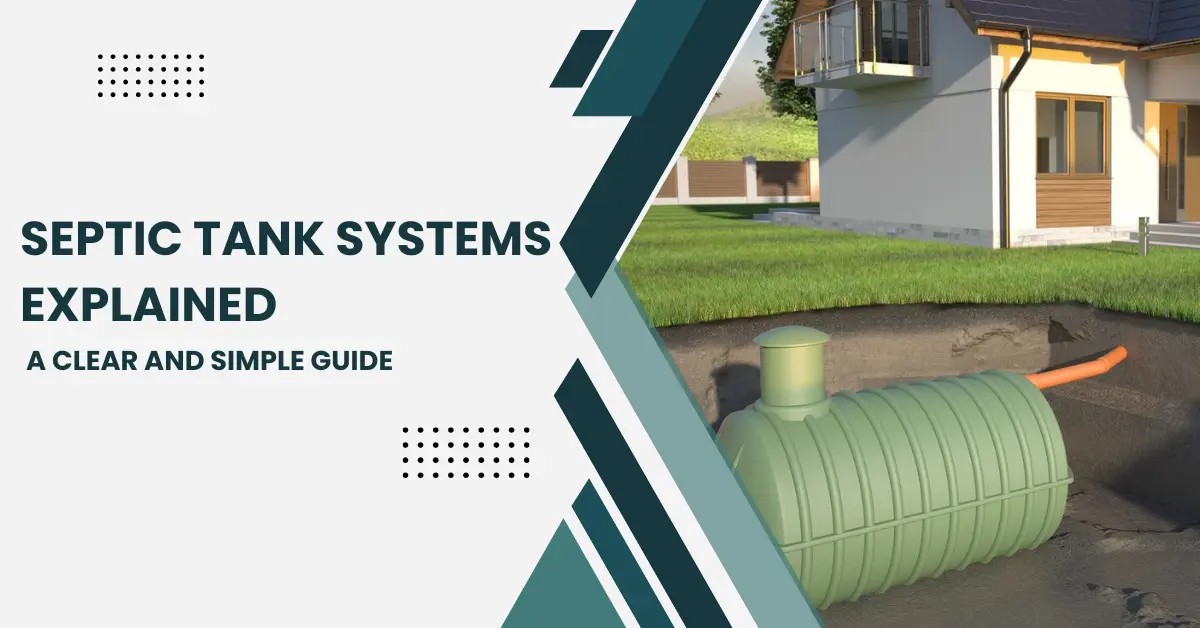
Septic tanks must be installed entirely within your property lines. They must also maintain a legal distance from wells, buildings, and waterways, often around 50 to 100 feet, depending on local codes.
These setbacks prevent contamination and make sure the system functions without disturbing the surrounding environment or structures.
Material and Build Standards
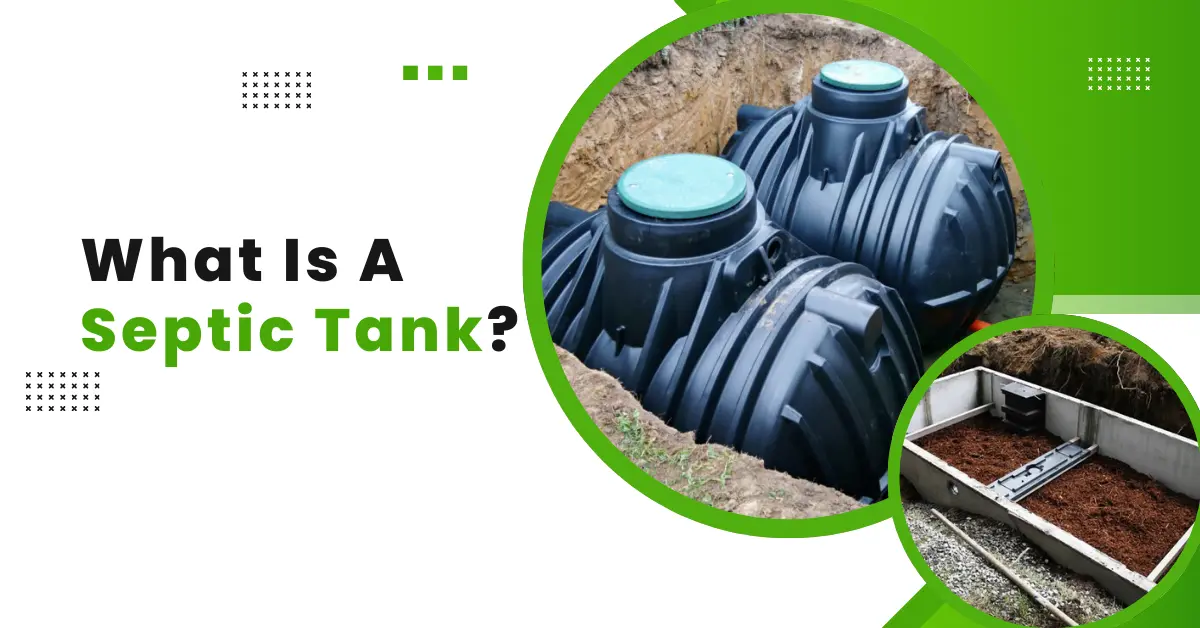
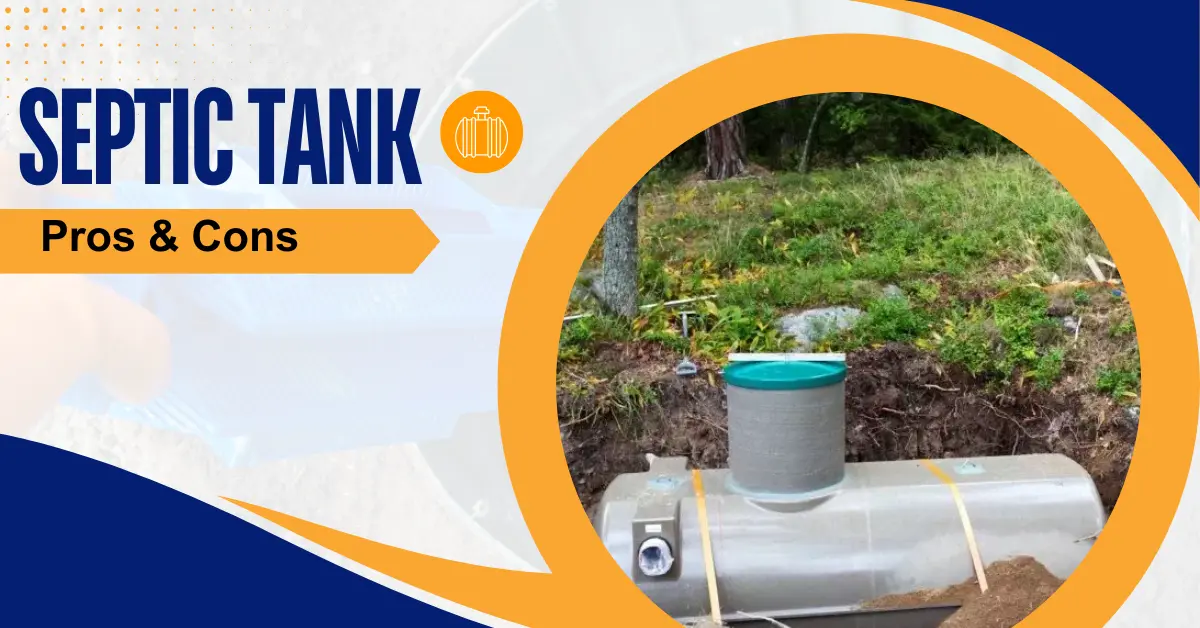
Modern septic tanks are usually made of reinforced concrete, fiberglass, or high-density plastic materials chosen for their durability and watertight properties.
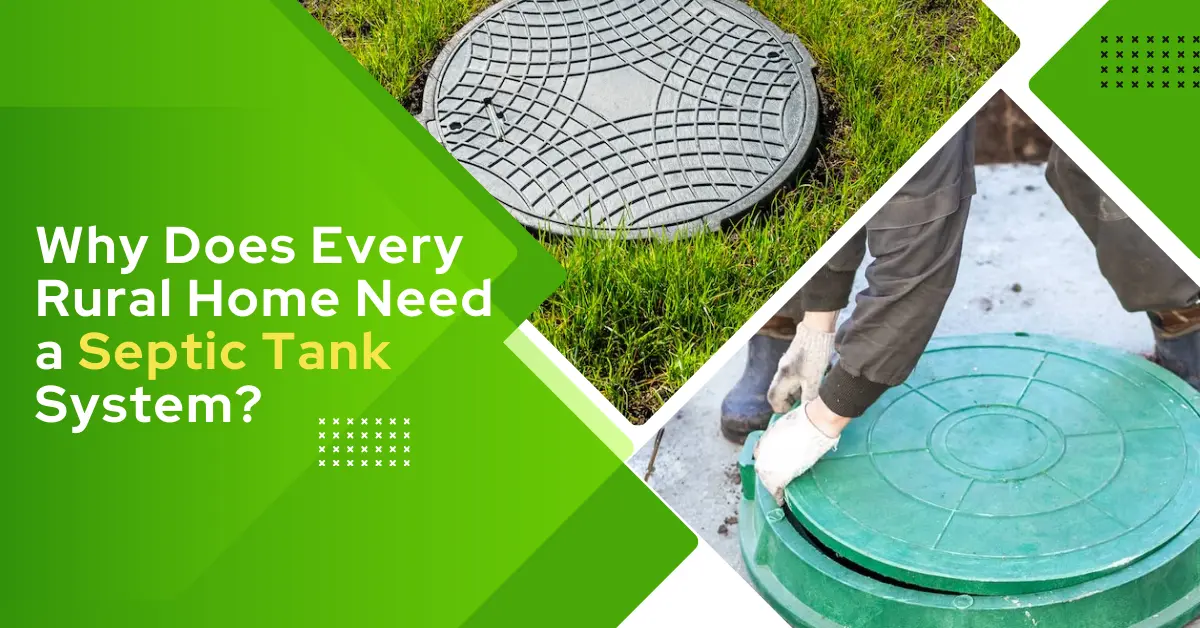
Older steel tanks are prone to rust and collapse. Whatever material you choose, the tank must be accessible for maintenance. That means risers or lids at ground level are often required by law so service professionals can pump or inspect without digging.
Septic Tank Rules for Tenants and Guests
Even if you’re not the one using the system every day, you’re still responsible for how it’s treated. Guests and renters often don’t know the rules and that ignorance can quickly lead to problems. That’s why education is key:
Educating Guests
If you’re renting out your home on Airbnb or hosting guests for the summer, consider posting a short list of do’s and don’ts in the bathroom.
Politely ask that only waste and toilet paper be flushed, and point out that grease, wipes, and chemicals should go in the trash. Long-term guests should be informed directly, especially if their stay is more than a few weeks.
Tenant Responsibilities
In landlord-tenant agreements, the lease can and should include a section about septic usage. The landlord is responsible for keeping the system in good working condition, but tenants must follow proper usage guidelines.
That includes conserving water, avoiding inappropriate flushes, and reporting leaks or problems promptly.
New and Regional Septic Tank Rules
Some states have started rolling out updated rules, and in 2025, that trend is expected to continue. Whether you’re buying property or replacing an old tank, be sure to check the latest local regulations:
Example – California Septic Tank Regulations
California has some of the strictest septic laws in the country. Tanks must be kept at a safe distance from water wells, built using approved, long-lasting materials, and installed with access points for easy repair.
In some counties, failing systems must be replaced with advanced treatment units that reduce nitrogen discharge. Local ordinances may also require additional inspections during property transfers or new builds.
FAQ
What are the main septic tank rules I should follow?
Pump your system every 3–5 years, avoid flushing anything besides waste and toilet paper, prevent overloading it with water, and follow your local installation and permitting laws.
Can I use chemical drain cleaners with a septic system?
No. Harsh chemicals harm the bacteria that break down waste inside your tank. Use boiling water, vinegar, or drain snakes instead.
Are permits required for septic systems?
Yes. Most counties or health departments require permits for new installations, major repairs, or replacements.
What’s the rule for flushing wipes into a septic system?
Don’t do it even if they say “flushable.” Wipes don’t break down properly and can clog pipes or jam up your pump.
Do septic tank rules differ by state?
Yes. Some states, like California and New York, have stricter rules than others. Always check with your local health department before installing or upgrading.
Conclusion
Septic systems are one of those things you don’t think about until they fail. But by following a few basic rules, you can avoid disaster. Regular maintenance, proper use, and staying within legal guidelines will help your system run smoothly for decades.
These rules aren’t just about keeping your home clean; they’re about protecting the environment and ensuring your family’s health. So, whether you’re building new, renting out your property, or just living your life, knowing the septic tank rules for 2025 is one of the smartest moves you can make.