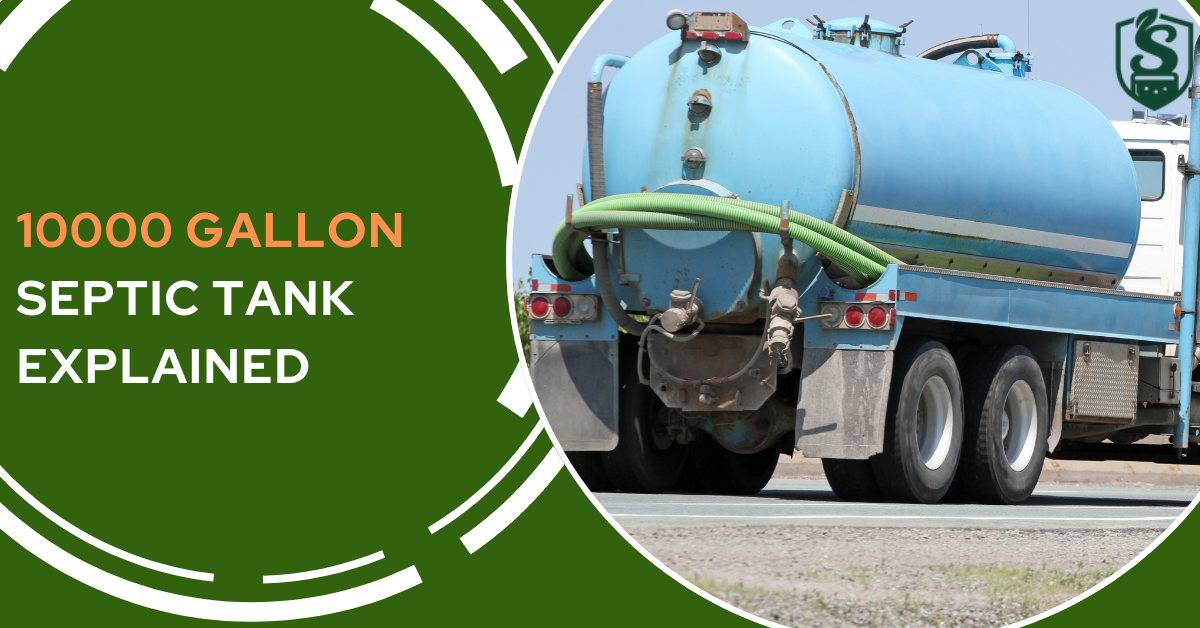
If you’re managing a farm, running a commercial property, or setting up utilities for a large rural community, a standard home septic tank won’t cut it.
You need serious capacity, something like a 10000 gallon septic tank. These tanks are engineered to handle massive wastewater volumes, store stormwater runoff, or even collect rainwater for later use.
This article gives you the complete picture of what these tanks are used for, how much they cost, what types are available, and which brands offer the most reliable options. Whether you’re a contractor or property owner planning a large-scale septic system, this is your full guide.
What Is a 10000 Gallon Septic Tank Used For?
A 10000 gallon septic tank isn’t your average residential setup. These large tanks are typically used in scenarios where waste volume exceeds what a standard 1000–1500 gallon residential system can handle. You’ll find them in:
- Commercial facilities like warehouses, rest stops, hotels, and RV parks
- Agricultural operations that need to store animal waste or runoff
- Rural community centers or multi-home developments
- Stormwater collection systems to manage runoff during heavy rains
- Rainwater harvesting setups for irrigation or non-potable use
In many of these use cases, the tank operates as a septic holding tank rather than a complete treatment system.
This means it’s designed to store wastewater temporarily until it can be pumped out, which is ideal when no leach field or soil absorption system is possible.
How Big Is a 10000 Gallon Septic Tank?
So, how large is something that holds 10,000 gallons? Bigger than most people expect.
The 10000 gallon septic tank dimensions depend on the material and manufacturer. Here’s a quick breakdown:
- Concrete tanks are typically about 9 feet wide by 16 feet long
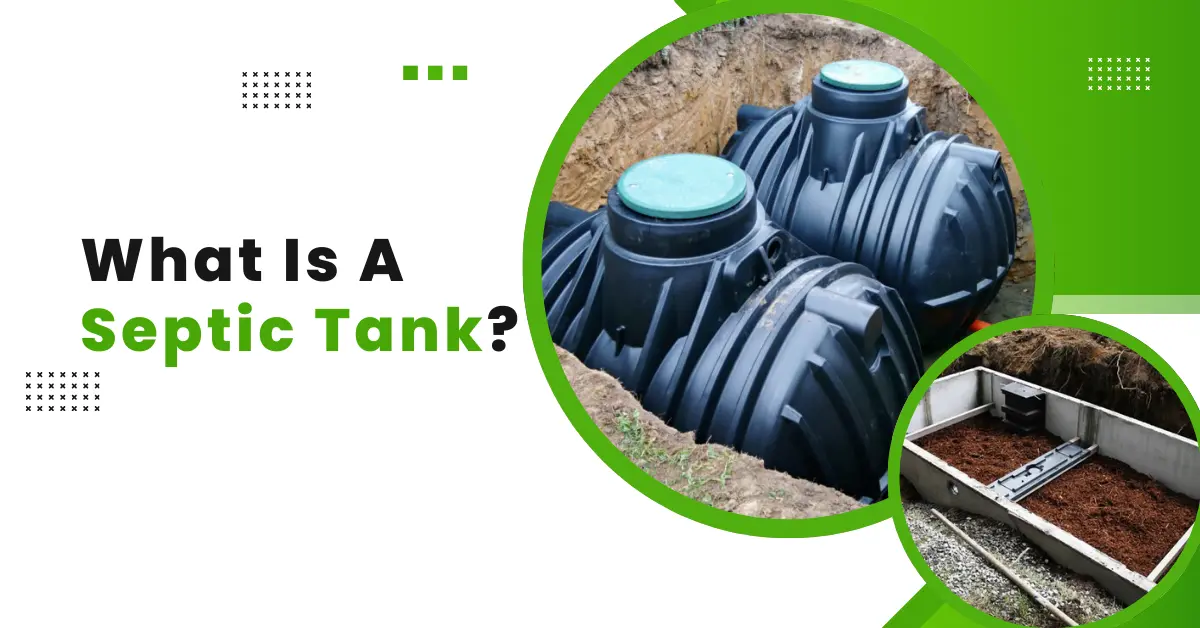
- Polyethylene (plastic) tanks can be as big as 356 inches (nearly 30 feet) long, 101 inches wide, and 107 inches tall
To give that some perspective, that’s the length of two full-size parking spaces and almost as wide as a one-car garage. You’re not casually placing this in your backyard; installation requires serious planning and space.
Site access becomes a major factor with tanks of this size. You’ll need clearance for heavy equipment, stable ground for installation, and enough room to safely bury the tank without compromising its structural integrity.
10000 Gallon Septic Tank Cost Breakdown
Let’s address what everyone’s wondering: how much does a 10000-gallon septic tank cost?
On average, you’re looking at $16,875 to $25,029, depending on material, brand, and shipping fees.
Here’s the breakdown by material:
- Concrete cast-in-place tanks: $17,000–$22,000
(Heavy-duty, but expensive to transport and install) - Plastic tanks (poly): $16,875–$19,500
(More affordable, easier shipping, lighter weight) - Fiberglass tanks: $20,000–$25,029
(Corrosion-resistant and strong, but harder to find)
Keep in mind that these prices usually don’t include shipping or installation. Transporting a 10,000-gallon tank can cost thousands, depending on distance and road access. Some brands offer on-site “cast-in-place” concrete setups, which can save on delivery fees but require more labor.
So when searching for the best 10000 gallon septic tank price, factor in the full picture: material, location, labor, and local regulations.
Types of 10000 Gallon Septic Tanks Available
Let’s break down your material options and what each brings to the table.
Concrete 10000 Gallon Septic Tank
If durability and longevity are top priorities, 10000 gallon concrete septic tanks are your go-to. These tanks:
- The last decades, when properly maintained
- Resist most environmental damage
- Works well for permanent installations
You can choose cast-in-place models built directly on-site, which helps with transportation challenges. However, the weight makes installation complex and often expensive.
Fiberglass 10000 Gallon Septic Tank
A 10000 gallon fiberglass septic tank offers a solid middle ground. These tanks are:
- Lighter than concrete (easier to move and install)
- Corrosion-resistant (great for high-moisture or chemical-heavy areas)
- More expensive than poly tanks, and availability can be limited
If you’re in an area with highly acidic soil or groundwater issues, fiberglass might be worth the extra investment.
Plastic / Polyethylene 10000 Gallon Septic Tank
The most affordable and lightweight option is the 10000 gallon plastic septic tank. These are often made from high-density polyethylene (HDPE) and are:
- Easy to transport and install
- Resistant to cracking and weather damage
- Manufactured by brands like Norwesco and Bushman
They’re ideal for temporary or semi-permanent installations and are often used in agriculture or commercial settings with limited access.
Key Features to Look For
Not all large-capacity tanks are built the same. Here’s what to look for in a durable, multi-use, underground model:
- 4-inch plumbing compatibility: Most large tanks should accept up to 4” inlet/outlet fittings
- One-piece molded design: Especially in Norwesco poly tanks, this helps reduce leak risks and makes for faster installs
- Impact resistance: Poly and fiberglass tanks should resist dents during delivery or settling
- Seamless construction: Fewer joints = fewer chances for leaks
- Heavy wall thickness: Important for buried tanks handling earth pressure
Best Brands Offering 10000 Gallon Septic Tanks
Looking for reliable names in the game? Here are some of the most trusted 10000 gallon septic tank brands:
- Norwesco
Known for durable, underground-ready plastic tanks with multi-use ratings. Their one-piece tanks are a favorite in commercial and ag use. - Bushman USA
Offers large-capacity plastic tanks built for stormwater, wastewater, and irrigation storage. Based in Texas and California, ideal for regional delivery. - Oldcastle Infrastructure
Specializes in cast-in-place 10000 gallon concrete septic tanks, ideal for permanent installs in industrial or institutional setups. - Chemtainer
Offers fiberglass and poly tanks manufactured in Minnesota and Texas. Great for chemical-resistant and specialty tank needs.
Installation Tips for a 10000 Gallon Septic Tank
When it’s time to install a tank this size, proper planning is everything. Here’s what to keep in mind:
- Space and site access: Ensure equipment like cranes or forklifts can reach the installation site without damaging the surroundings.
- Excavation depth and width: You’ll need several feet of clearance around all sides and enough room for bedding and backfill.
- Level ground: Tanks must sit on compacted, level soil or gravel to avoid shifting or cracking.
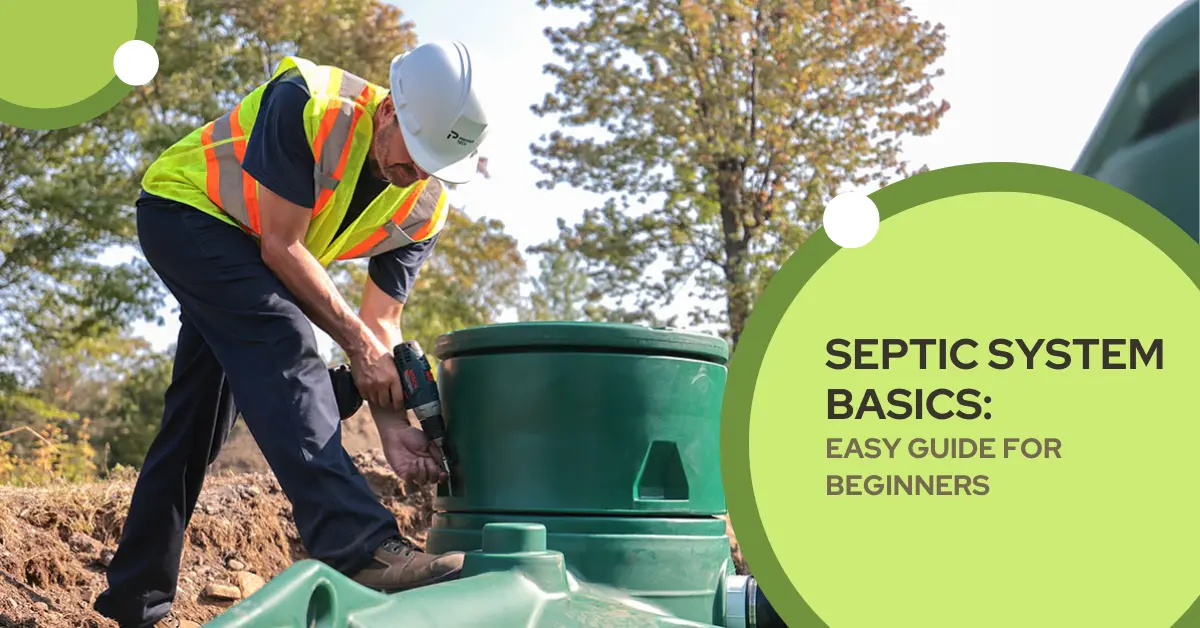
- Transport precautions: Poly and fiberglass tanks can be damaged if not handled carefully. Inspect before installation.
Always consult a professional or structural engineer before installing such a large tank to ensure compliance with local codes and soil conditions.
How Much to Service a 10000 Gallon Septic Tank?
Like any septic system, regular maintenance keeps it functioning properly. A 10000 gallon septic tank should be pumped every 3–5 years, though heavy use may require more frequent service.
Cost to service ranges from $700 to $1,200, depending on:
- Solids load (grease, food waste, or toilet paper buildup)
- Access for vacuum trucks
- Local labor rates
Is a 10000 Gallon Septic Tank Right for You?
Before pulling the trigger on such a large system, ask yourself:
- How many users will the tank support?
A tank this size can serve dozens of people daily or large stormwater runoff areas. - Is site access suitable for installation?
Concrete tanks especially require cranes or heavy machinery. - Should you consider multiple smaller tanks instead?
In tight or segmented areas, installing multiple 2500–5000 gallon tanks may offer more flexibility.
Also consider the material:
Concrete is long-lasting but tough to transport. Plastic is cheaper and more flexible, but not ideal for high-pressure burial. Fiberglass sits somewhere in the middle.
FAQ
How much does a 10000 gallon septic tank cost?
Expect to pay between $16,875 and $25,000, depending on the material and brand.
What are the dimensions of a 10000 gallon septic tank?
Most range from 9’x16’ to over 29 feet long and 8–9 feet high, depending on the material.
Is plastic better than concrete for septic tanks?
Plastic is lighter and easier to install, but concrete lasts longer in harsh or high-traffic conditions.
How often should a 10000 gallon septic tank be pumped?
Typically, every 3–5 years, depending on use and waste type.
Can a 10000 gallon septic tank be used for stormwater?
Yes, many multi-use tanks are rated for stormwater collection and rain harvesting applications.
Conclusion
A 10000 gallon septic tank isn’t just big, it’s built for serious capacity. Whether you’re managing wastewater for a farm, storing rainwater for irrigation, or handling septic needs for a business or community, this tank size gives you room to grow.
From understanding the cost to choosing between plastic, fiberglass, and concrete, getting the right tank means weighing all your site-specific needs. And when in doubt? Talk to a local septic installer. They can help you determine the best material, brand, and placement based on your land, budget, and goals.