In modern times, water conservation is even more crucial. Hence, many gardeners and homeowners are exploring innovative ways to reuse water effectively.
One such method is using septic tank water for plants, a practice that combines sustainability with resourcefulness. But the question remains: Is septic tank water good for plants?
Septic tank water is not good for plants. Septic water contains harmful bacteria, viruses, and high levels of nitrogen and salts that damage roots and contaminate soil.
Only properly treated wastewater from an approved system is safe for irrigation. Use clean water or regulated greywater to protect plant health and soil quality.
However, there are risks, like harmful bacteria and soil damage, if not handled with care. That’s why understanding the balance between the risks and rewards of using septic water in your home garden is essential.
In this guide, you’ll see how water reuse from septic systems works, the benefits it offers, and the safety measures you need to ensure your plants. So, let’s get started!
What Is Septic Tank Water?
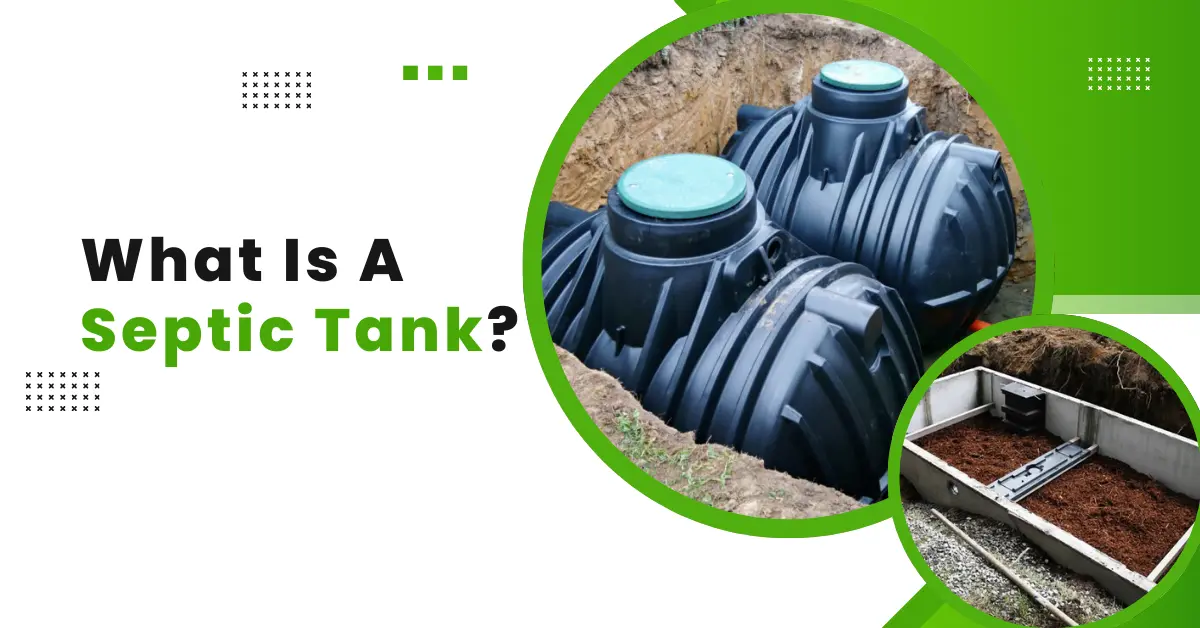
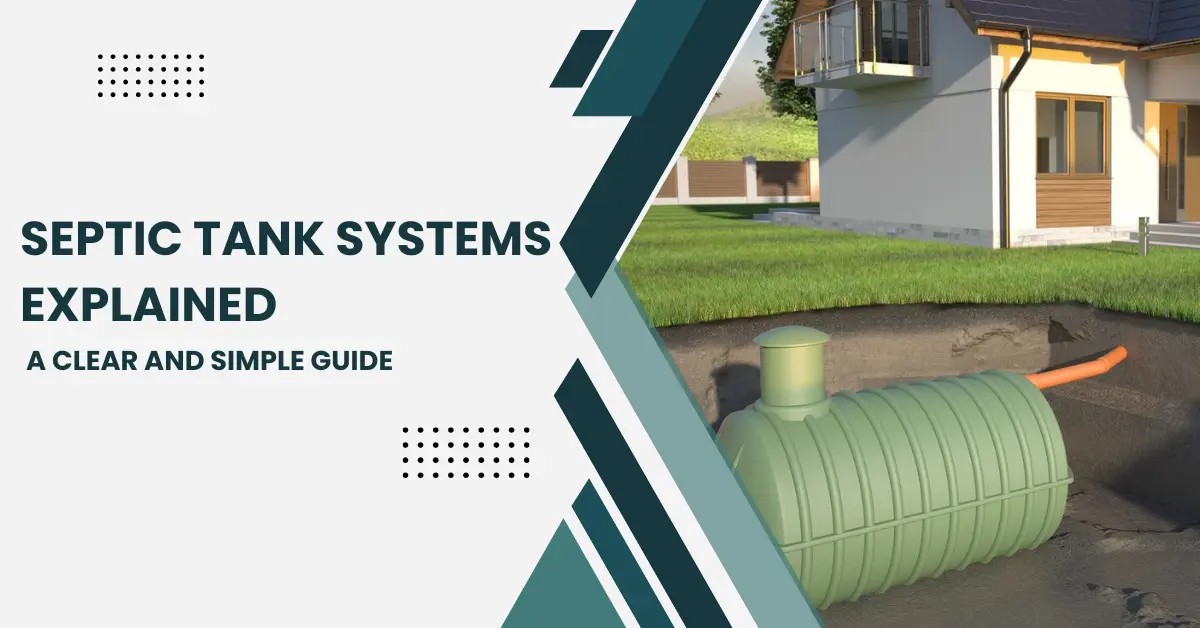
When we refer to septic tank water, we’re talking about the effluent. Septic effluent is the liquid portion of wastewater that exits a septic tank after primary treatment. It leaves behind sludge (settled solids) and scum (floating fats/oils).
It results from anaerobic bacterial decomposition within the septic tank. Let’s delve deeper,
Greywater vs. Blackwater
Greywater comes from household sources like showers, sinks, laundry, and dishwashers. It generally contains lower levels of contamination and fewer pathogens. That makes it easier to treat and often safer to reuse.
On the other hand, Blackwater is wastewater from toilets (and often kitchen sources) and contains high concentrations of organic matter, feces, urine, and pathogens.
Different Types of Wastewater
Untreated sewage comes directly from sources like toilets, kitchens, sinks, and laundry. It’s highly contaminated and contains harmful pathogens, organic waste, and chemicals like detergents.
Septic tank water (effluent) is the partially treated liquid found in the middle layer of a septic tank. It goes through basic settling and digestion, which reduces solids but still leaves behind nutrients and some bacteria.
Lastly, Treated effluent is wastewater that has passed through a drainfield or received additional filtration. This advanced treatment removes most pathogens and reduces nutrient levels.
It is safer for soil absorption and potential use in landscaping, though always under proper regulations.
Is Septic Tank Water Good for Plants?
Yes, but only if it is properly treated and used on non-edible plants.
Treated septic effluent can benefit ornamental plants, turfgrass, and shrubs because it contains nutrients like nitrogen and phosphorus.
No, if it is untreated or used on edible plants.
Untreated or poorly treated septic water can spread pathogens, salts, and chemicals, making it unsafe for vegetables, herbs, and root crops.
Types of Plants Affected by Septic Water
Below is a detailed guide separating plant types based on how well they tolerate
1. Recommended Plants for Treated Septic Water
These plants thrive in nutrient-rich, treated effluent and are commonly used in landscaping near septic systems. They can tolerate fluctuating moisture, salt buildup, and nutrient-dense environments.
Ornamental & Non-Edible Plants
- Turfgrasses: Bermuda, Buffalo, Fescue
- Groundcovers: Liriope, Creeping Jenny, Ice Plant
- Native Grasses: Bluestem, Fountain Grass
- Perennials: Daylilies, Agapanthus, Hostas
- Shrubs: Oleander, Pittosporum, Boxwood
- Trees: Willow, Maple, Cedar (shallow-rooted)
2. Moderately Tolerant Plants (Conditional Use)
These plants may tolerate well-treated effluent under controlled conditions (e.g., subsurface irrigation), but require strict hygiene practices and soil monitoring.
Fruit Trees (non-root crops)
- Citrus (Lemon, Orange)
- Apple, Pear, Peach
- Fig Trees
Woody Vines & Bushes
- Grapes, Raspberries, Blackberries
3. Unsafe Plants to Irrigate with Septic Water
These are not safe for any direct or indirect contact with septic water due to their sensitivity and high risk of contamination.
Leafy Vegetables & Herbs
- Lettuce, Kale, Spinach
- Basil, Cilantro, Parsley
Root Crops
- Carrots, Radishes, Beets, Potatoes
Nutrient Value of Treated Septic Tank Water
You need to understand the nutrient profile and how it benefits plants will help you see why it’s a valuable resource when managed correctly.
Key Nutrients Found in Septic Effluent
Treated septic water typically contains significant levels of the three primary plant macronutrients: nitrogen (N), phosphorus (P), and potassium (K).
- Nitrogen (N): Concentrations range from 8 – 63 mg/L for soluble nitrogen, with total nitrogen (ammonium + organic) reaching 11 – 146 mg/L in some systems . Nitrogen is critical for lush, green foliage and overall plant vigor.
- Phosphorus (P): Levels vary from <1 – 14 mg/L of soluble phosphorus, though total P may be higher. Phosphorus supports strong root development, flowering, and fruiting.
- Potassium (K): While specific data on septic effluent is limited, similar to urine-based compost, treated wastewater contains noticeable potassium levels.
Septic Effluent as Natural Fertilizer
An Ohio University study, “Assessing Hydrothermal Carbonization as Sustainable Home Sewage Management for Rural Counties: A Case Study from Appalachian Ohio” (Aug 2021), concluded that turning septic waste into fertilizer could reduce dependence on synthetic fertilizers and cut greenhouse gas emissions by approximately 64% per unit produced.
The EPA also notes that while septic effluent retains nutrients, it may not fully remove nitrogen and phosphorus. It makes the landscaping with such effluent a valuable nutrient source.
Risks of Using Septic Water for Plants
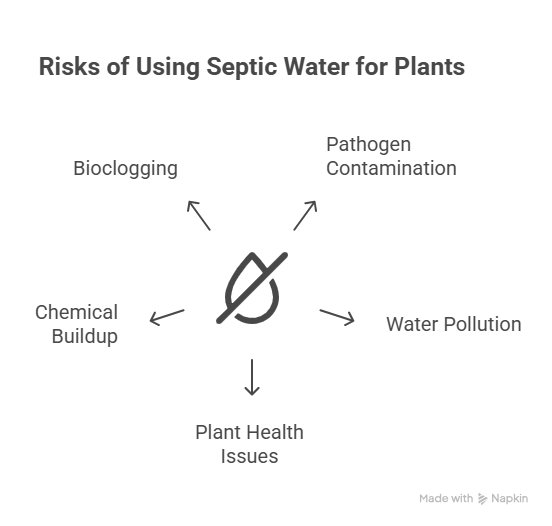
Here’s what you need to know,
1. Pathogen Contamination
Septic water may contain fecal bacteria such as E. coli O157:H7, Salmonella, Norovirus, and parasites. These pathogens can infect plants, particularly leafy and root crops, leading to foodborne illnesses if consumed.
The risk is especially high with untreated effluent, which can also cause skin infections or respiratory problems for those exposed .
2. Groundwater & Surface Water Pollution
Nitrates and phosphates from septic water can seep into groundwater. It leads to contamination, including “blue baby syndrome” in infants.
Chemical residues (like pharmaceuticals, hormones, and detergents) may accumulate in soil or leach into water bodies, threatening ecosystems and water supplies.
3. Negative Impact on Plant Health
Septic effluent may have an imbalanced pH. It may harm nutrient uptake and affect root development .
According to the study “Effects of Low pH of Hydroponic Nutrient Solution on Plant Growth, Nutrient Uptake, and Root Rot Disease Incidence of Basil (Ocimum basilicum L.)”, persistent moisture and excessive nutrients can lead to waterlogged soil.
It increases the risk of root rot, fungal diseases, and overall poor plant development, especially in nutrient-sensitive species.
4. Chemical & Heavy Metal Buildup
Sewage and household products can introduce heavy metals (lead, cadmium, copper, zinc) that accumulate in soil and plants, posing risks to the entire food chain.
Organic pollutants like pharmaceutical residues (antibiotics, hormones, etc.) may persist in the environment, posing long-term ecological and health concerns.
5. Bioclogging & Drain Field Overload
Nutrient-rich effluent may promote biomats or clogging in soil. It compromises soil infiltration and heater performance.
Best Practices for Safe Septic Water Use in Gardens
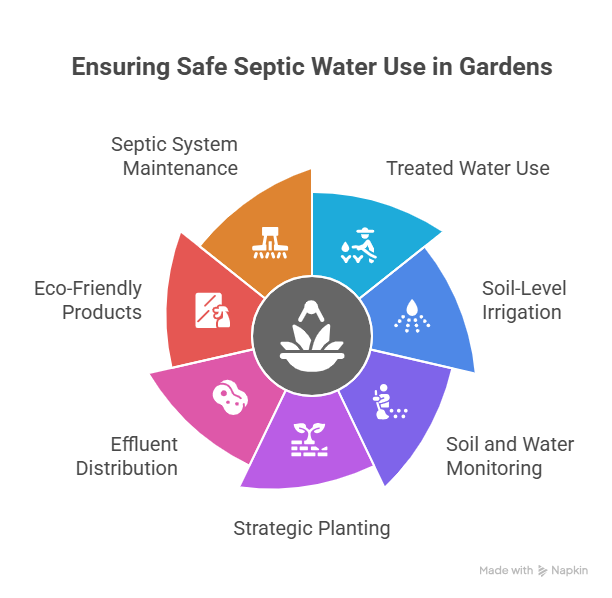
Follow these expert-recommended steps to minimize risks and protect your plants, soil, and health.
1. Use Only Properly Treated Greywater or Septic Effluent
Capture greywater and ensure it’s filtered and used within 24 hours to prevent bacterial growth.
For septic systems, use secondary-treated effluent, ideally from an aerobic treatment system (ATS) or passed through constructed wetlands to reduce pathogens and pollutants significantly.
2. Apply With Soil-Level Irrigation, Not Sprinklers
Never spray effluent over foliage. Stick to drip, subsurface, or flood irrigation that applies water directly to the root zone .
This reduces the risk of inhaling contaminants, lowers pathogen transfer, and helps prevent root rot and fungal issues.
3. Monitor Soil Health and Water Quality Regularly
Test soil annually for salinity, boron, sodium, and pH balance, especially if using detergent-laden greywater.
Watch for signs like crusty soil surface or yellowing leaves, flush impacted areas with freshwater, and add gypsum or acidic compost if needed.
4. Plant Strategically Near Septic or Irrigation Zones
Choose deep-rooted edibles cautiously; best to avoid root and leafy vegetables in these areas .
Instead, plant turfgrass, ornamental shrubs, and native trees, all compatible with moist, nutrient-rich conditions .
5. Spread Effluent Across a Large, Well-Vegetated Area
Distribute water over a broad area to prevent pooling and encourage natural filtration through soil and plant uptake.
Ensure the entire irrigation zone remains planted, maintaining healthy soil filtration and nutrient absorption.
6. Use Safe, Eco-Friendly Household Products
Opt for low-sodium, biodegradable, boron-free, and bleach-free soaps and cleaners to protect soil structure and plant health.
Avoid products containing harsh chemicals, solvents, or bleach that can harm soil microbes and plants .
7. Maintain Your Septic System Properly
Pump your tank every 2-5 years to prevent sludge buildup. Keep the leach field healthy by preventing compaction, managing runoff, and planting only shallow-rooted species .
Install an effluent filter and consider a subsurface drip system placed at least 30 cm below the surface.
Essential Steps in Safe Effluent Treatment
Septic effluent becomes safe only after it undergoes a multi-stage treatment process that removes pathogens, solids, and harmful chemicals. These include:
Primary Treatment
In the primary stage, it allows heavier solids to settle at the bottom as sludge, while lighter materials like oils and grease rise to the top as scum.
Between these layers lies the partially clarified liquid known as effluent. This process also begins the breakdown of organic material through anaerobic digestion (without oxygen).
However, despite this initial treatment, the water still contains harmful bacteria and pathogens, so it should never be used directly on plants or in gardens.
Secondary Treatment (Soil or Aerobic Processing)
In this stage, the effluent from the septic tank is further treated, usually by filtering it through a drain field or an aerobic treatment system. These methods allow for the addition of oxygen to naturally break down and filter out impurities.
As a result, up to 90% of pathogens and solids are removed. It also significantly reduces Biological Oxygen Demand (BOD), meaning the water becomes clearer and less harmful to the environment.
Tertiary Treatment (Advanced Disinfection)
For even higher levels of safety, tertiary treatment uses UV sterilization, chlorination, filtration, or membrane systems to eliminate resistant pathogens such as viruses and parasitic eggs.
This makes the water clean enough to be reused for non-edible plants or subsurface irrigation systems.
Note: In many regions, the treated water must meet strict environmental standards, such as BOD under 30 mg/L, Total Suspended Solids (TSS) under 25 mg/L, and fecal coliform levels below 10,000 CFU per 100 mL.
3. Identifying Properly Treated Septic Effluent
Look for these signs,
- Clear, odorless appearance
- No floating solids or grease
- Comes from an aerobic or tertiary system
- Regularly tested and maintained
- No pooling or surfacing in the drain field
Landscaping Tips to Protect Your Septic System
Here are some effective tips to protect your septic system,
1. Maintain grass or groundcover: Encourages evaporation and prevents soil erosion.
2. Avoid hardscaping – Do not build decks, patios, or driveways over the drain field to prevent soil compaction.
3. Keep trees at a safe distance – Plant trees at least as far away as their mature height to avoid root intrusion.
4. Use root barriers if needed – Especially useful when planting near the edges of the septic area.
5. Lightly scarify the soil before planting – Loosen the topsoil gently to help roots establish without damaging pipes.
6. Ensure surface drainage flows away from the septic system – Prevents pooling, oversaturation, and potential system failure.
Health and Safety Concerns of Using Septic Water
Gardening with septic water can provide nutrients, but it also carries significant health and safety risks.
1. Risks from Direct Contact with Septic Effluent
Septic effluent may contain harmful microbes such as E. coli, Salmonella, Norovirus, Cryptosporidium, and parasitic worms.
Exposure through skin contact, inhalation, or accidental ingestion can lead to illnesses, including gastroenteritis, hepatitis A, and more.
Inhaling mist or touching contaminated tools/plants can expose gardeners to endotoxins and allergens that irritate the eyes, throat, or lungs.
2. Why Septic Water Is Unsafe for Edible Plants
Crops grown near drain fields may absorb or retain pathogens on their surfaces. Even if root zones are below ground, vegetable leaves and fruits remain vulnerable.
Drain-field soil filtration alone cannot fully eliminate pathogens. Experts and extensions strongly advise against growing vegetables, root crops, and herbs over or near septic systems.
Soil may carry pathogens that cling to harvests. It poses serious health risks, especially for children and immunocompromised individuals.
3. Precautions Gardeners Should Take
To safely utilize treated septic water for non-edible landscaping, follow these expert-recommended steps:
- Avoid spray irrigation over edible zones
- Wear protective gear
- Implement hygiene protocols
- Stop edible growth near systems
- Regularly maintain your system
- Use only fully treated water
Alternatives to Septic Tank Water for Irrigation
Below are some proven water reuse methods that offer both environmental and plant health benefits.
1. Rainwater Harvesting
Collection and storage of roof runoff via rain barrels, cisterns, or surface recharge systems.
Benefits
- Safe, chemical‑free water is ideal for plants.
- Enhances soil fertility and plant growth.
- Reduces reliance on municipal or groundwater supplies.
- Helps mitigate runoff, reduce flooding, and recharge aquifers.
Drawbacks
- Variable supply based on rainfall patterns may not be reliable year-round.
- Moderate installation cost, especially for large systems.
- Requires regular maintenance.
- Some regions regulate or limit the collection of rainwater.
2. Greywater Systems
Reuse of lightly contaminated household water (from sinks, showers, laundry, excluding toilets and kitchen drains) .
Benefits
- Significant reduction in freshwater use.
- Can support gardening, landscape irrigation, and even compost toilets.
- Nutrient-rich greywater helps nourish soil and promote plant growth
Drawbacks
- May contain micropollutants or pathogens.
- Systems require responsible application and periodic recirculation to avoid build-up.
- Legal regulations vary by region; some areas restrict greywater reuse.
3. Septic Effluent Reuse (Properly Treated)
Treating septic tank effluent through multi-stage systems, secondary (leach field, ATS), and tertiary treatment (UV, chlorination) makes it possible to reuse effluent more safely.
Benefits
- Offers a steady water supply.
- Nutrient content can substitute for part of the fertilizer needs.
- Recycles household water.
Risks (if poorly treated)
- Contains pathogens, chemical residues, and salts.
- Unsafe near edible plants; risk of root rot or soil contamination.
- Requires more complex systems and compliance with regulatory standards.
FAQs
1. Can I use septic tank water to irrigate my garden?
Yes, you can use septic tank water to irrigate your garden, but only if the septic water has been properly treated. Treated effluent can be safe for irrigation, especially for non-edible plants. Untreated water poses health risks due to bacteria and pathogens.
2. Is treated septic water safe for all types of plants?
Treated septic water is generally safe for ornamental and hardy plants like turfgrass and shrubs. However, it’s not recommended for sensitive or edible plants unless local regulations permit and advanced treatment is ensured.
3. What plants grow best with septic tank effluent?
Turfgrass, ornamental grasses, shallow-rooted shrubs, and native drought-resistant plants typically handle septic effluent well due to their high nutrient tolerance and minimal risk to food safety.
4. Is it safe to use septic water on vegetable gardens?
No, it’s not considered safe to use septic tank water on edible plants, especially root vegetables. Pathogens in wastewater can contaminate food crops and pose serious health risks.
5. What are the risks of using untreated septic water in gardening?
Untreated septic water can carry harmful bacteria (e.g., E. coli), viruses, parasites, and chemical residues. It can contaminate soil, groundwater, and plants. It poses health risks to humans and animals.
6. Does septic tank water act as a natural fertilizer?
Yes, treated septic effluent acts as a natural fertilizer as it contains nutrients like nitrogen, phosphorus, and potassium, which can promote plant growth. However, over-application may lead to nutrient overload or soil imbalance.
7. What are the signs that septic water is improperly treated?
Foul odor, cloudy water, visible solids, and plant dieback may indicate poor treatment. Also, signs of illness in pets or humans after exposure can be a red flag.
Conclusion
Septic tank water, when properly treated and responsibly used, can indeed be a valuable asset for plant growth.
Rich in essential nutrients like nitrogen and phosphorus, treated effluent has the potential to enhance soil fertility and reduce reliance on synthetic fertilizers.
For non-edible plants and ornamental landscaping, this reuse method can contribute to water conservation and environmental sustainability.
Untreated or poorly treated septic water may harbor harmful pathogens, bacteria, or chemical contaminants that pose serious health and environmental dangers.
For gardeners and homeowners considering septic water use, it’s crucial to ensure the water is treated to safe standards, avoid applying it to edible crops, and follow local regulations to protect public health and groundwater.
Flush smart, live clean!